

1
/
of
1
Tutus That Dance
Choosing Your TOP Fabric
Choosing Your TOP Fabric
No reviews
Regular price
$1.00 USD
Regular price
Sale price
$1.00 USD
Unit price
/
per
Couldn't load pickup availability
Description
Description
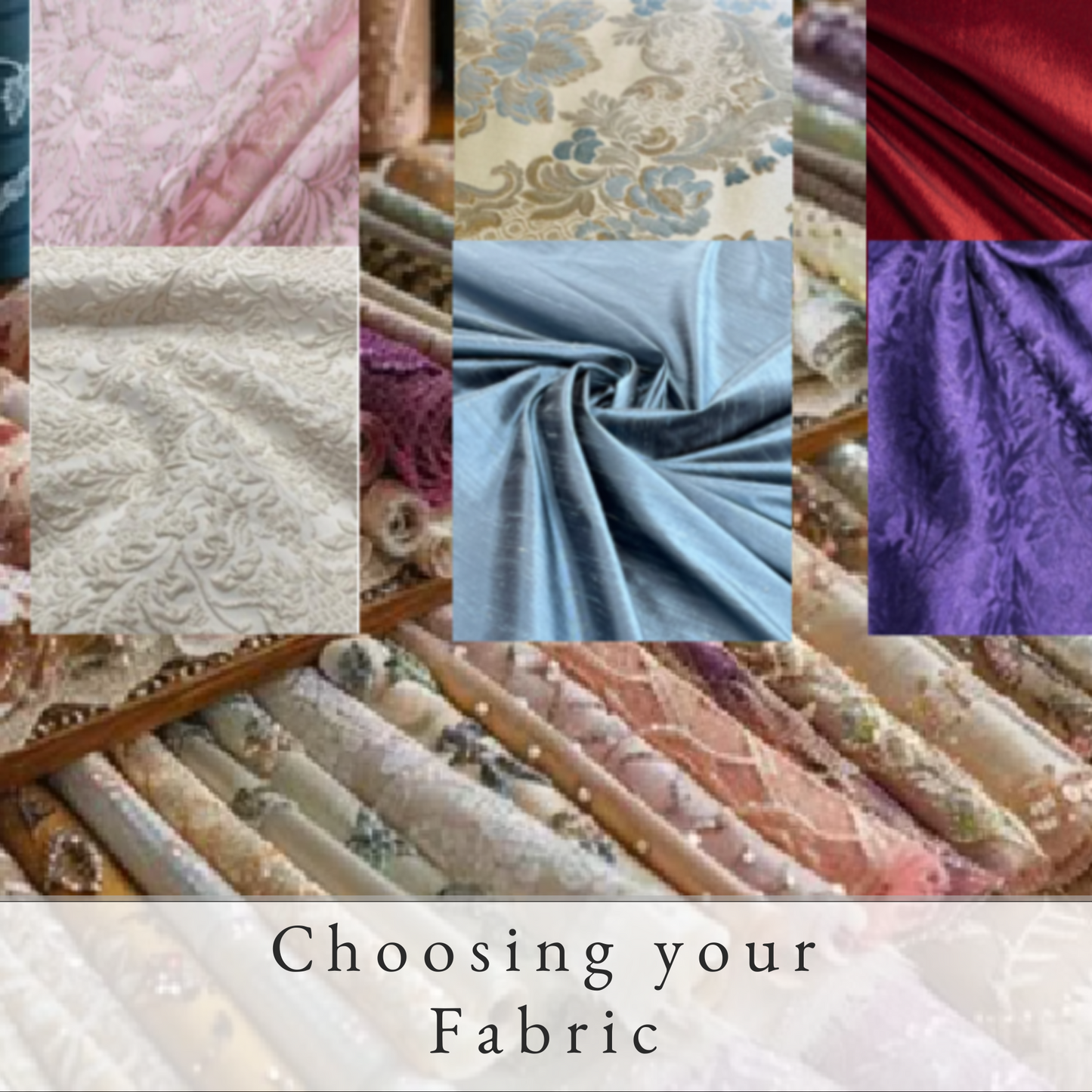
Fabric Selection: What to Use & Why — Choosing Fabrics That Perform
Fabric choice affects everything—fit, durability, appearance under stage lights, ease of construction, and long-term success of a costume. This guide explains how to choose fabrics intentionally, based on how they behave during construction and performance—not just how they look on the bolt.
No fabric is "best" for every dancer. Traditional coutil-lined bodices provide the highest level of support and structure. Stretch bodices offer greater comfort, flexibility, and fitting tolerance. The best choice depends on the dancer's age, training level, body type, and intended use.
What you’ll learn:
• That tightly woven, medium-weight fabrics are the easiest and most reliable for traditional lined bodices.
• Which fabrics to approach with caution (nap, shine, large prints)
• How stage lighting and viewing distance change how fabric reads visually
• What to test before committing to a fabric:
o Stitch visibility, will removing stitches leave marks?
o Moisture and sweat response
o Heat and pressing tolerance
• Fabrics that require experience to use successfully (satin, velvet, stretch)
• Where to source suitable fabrics and why swatches matter
Pattern Compatibility — Why It Matters
This guide explains why each fabric type needs its own pattern:
• Woven (non-stretch): stable, structured → woven pattern, no ease
• Semi-stretch: slight give → semi-stretch pattern, slightly smaller than the dancer
• Stretch: high stretch → stretch-specific pattern with negative ease
Using the wrong pattern for a fabric type can result in loose fit, instability, distortion, or discomfort—this guide helps you avoid those issues from the start.
Best for:
All tutu makers—from beginners choosing their first bodice fabric to professionals refining fabric decisions for performance and fit.
Share
Size Chart New
